
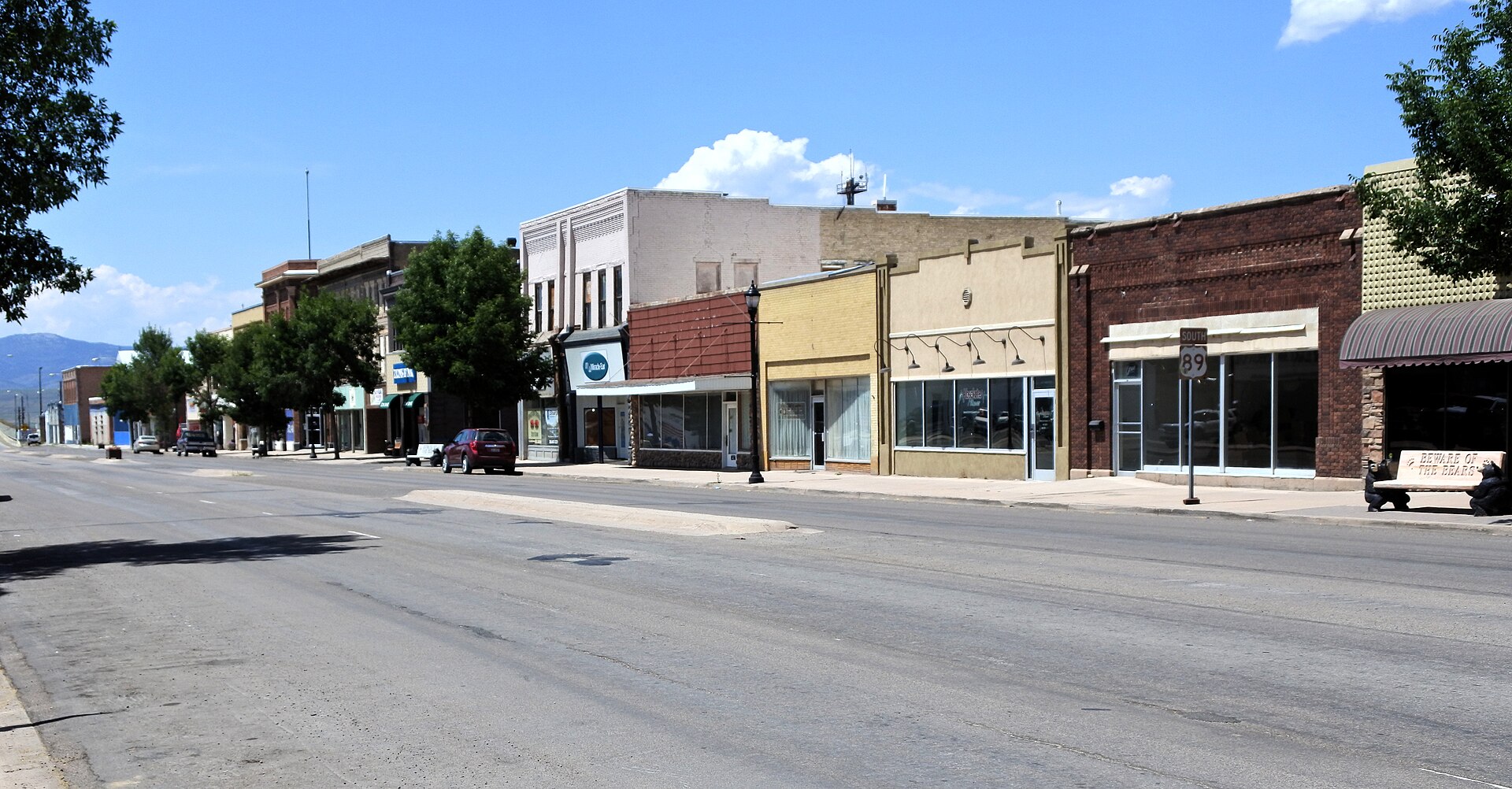
Montpelier, Idaho · Bear Lake County
Insurance for Montpelier and the Bear Lake Valley.
Montpelier is our home base — the largest town in Bear Lake County, sitting near 6,000 feet where U.S. 89 and U.S. 30 meet. We know what a Bear Lake winter does to a roof, a pipe, and a pickup.
- County
- Bear Lake County (largest city)
- Elevation
- About 5,950 ft
- Highways
- U.S. 30 & U.S. 89
- Local economy
- Ranching, hay, recreation, tourism
About the area
Montpelier's everyday claims come from winter, not catastrophe — cold, snow load, and frozen plumbing.
Montpelier sits at the north end of the Bear Lake Valley, a high mountain valley with long, cold winters and short growing seasons. Much of the surrounding land is irrigated hay ground and cattle range, backed by national forest in the Bear River Range and the Preuss Range.
U.S. 89 carries heavy summer traffic toward Bear Lake and Yellowstone, and U.S. 30 is a freight route between I-15 and Wyoming. That mix of tourist, truck, and wildlife traffic shapes the local auto risk.
Local facts & hazard data
- Sits near 5,950 ft at the north end of the Bear Lake Valley, in a warm-summer humid continental climate.
- January averages roughly 30°F for highs and 8–9°F for lows. Modeled snowfall is about 77 inches a year on about 22 inches of precipitation (approximate; sources vary).
- FEMA's National Risk Index rates Bear Lake County very low overall (7th national percentile). Avalanche (medium) is the largest modeled driver, ahead of landslide and wildfire (both low).
- Winter weather is frequent — about 27 events a year in the county data — but usually small in dollar terms, which is why pipes and roofs drive most local claims.
- Irrigated hay, cattle, and recreation anchor the economy. U.S. 89 carries summer traffic to Bear Lake and Yellowstone; U.S. 30 is a freight route.
Hazard ratings are county-level figures from FEMA's National Risk Index; climate figures are approximate. Check your own address at FEMA's NRI map.
Local risks we plan for in Montpelier
Winter freeze & snow load
Sub-zero cold snaps are common at this elevation. Frozen and burst pipes, ice dams, and heavy snow on roofs, barns, and outbuildings are among the most frequent winter claims in the valley.
Wildlife collisions
Deer and elk cross U.S. 89 and U.S. 30 regularly, especially at dawn and dusk in fall and winter. Comprehensive coverage is what pays for an animal strike — not liability.
Wildfire at the forest edge
Homes and cabins on the benches and canyons near the Caribou-Targhee National Forest sit in wildland-urban interface. Dry late summers raise the risk for properties surrounded by sagebrush and timber.
Earthquake
Southeast Idaho lies in the Intermountain Seismic Belt. Standard homeowners policies exclude earthquake damage; a separate endorsement is available and inexpensive for many homes.
Farm & ranch exposures
Hay stack fires, livestock on the road, and equipment losses are real exposures for valley operations. A homeowners policy rarely covers farm buildings or machinery.
What it means for your coverage
Frozen pipes and empty cabins
Standard homeowners policies expect the heat kept on or the water system drained. Seasonal cabin owners should ask about vacancy and unoccupancy rules.
Snow load on outbuildings
Ask whether roof collapse is covered on shops, barns, and hay sheds — these are often insured on a named-perils basis only.
Spring melt
Water backup and sump coverage is a separate endorsement. Flood is excluded from standard homeowners and needs its own flood policy.
Earthquake
Modeled risk is low, but the Utah Geological Survey studies the East and West Bear Lake fault zones. Earthquake is never included unless endorsed.
Mixed highway traffic
Tourist, truck, and wildlife traffic on U.S. 89 and U.S. 30 make comprehensive coverage and solid uninsured-motorist limits worth having.
Coverage tips for Montpelier
- Ask about water-backup and freeze coverage — they're often limited or excluded by default.
- Carry comprehensive on every vehicle that travels U.S. 89 or U.S. 30.
- Insure seasonal cabins under a dwelling or seasonal policy, not your primary homeowners.
- Working ranches need a farm & ranch policy that lists outbuildings, equipment, and livestock.
Idaho auto insurance minimums
Idaho requires at least 25/50/15 liability ($25,000 per person, $50,000 per accident, $15,000 property damage).
Minimums are rarely enough for a serious accident. We'll help you choose limits that protect your home and savings.
Get a Montpelier quoteMontpelier insurance questions
Local information last reviewed October 2026. Top photo: wilson44691 / Wikimedia Commons (CC0). Coverage availability and terms vary by carrier and policy; talk with us about your specific situation.
Local coverage for Montpelier.
Talk to an agent who knows the roads, the winters, and the risks where you live.